


 021-51111890
 购物车()
购物车()
 sales@molnova.cn







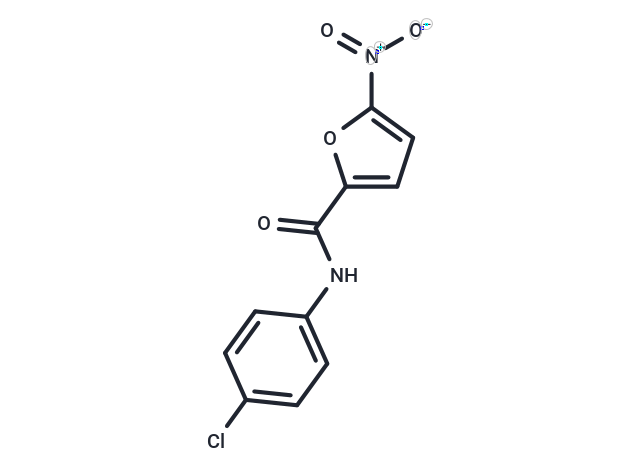
LCS3
CAS No. 109844-92-0
LCS3 ( —— )
产品货号. M35422 CAS No. 109844-92-0
LCS3 是可逆性和非竞争性的谷胱甘肽二硫化物还原酶 (GSR) 和硫氧还蛋白还原酶1 (TXNRD1) 抑制剂 (IC50 分别为 3.3 μM 和 3.8 μM)。LCS3 表现出抗肿瘤活性,并诱导细胞凋亡,可用于肺腺癌 (LUAD) 的研究。
纯度: >98% (HPLC)
 COA
Datasheet
HNMR
HPLC
MSDS
Handing Instructions
COA
Datasheet
HNMR
HPLC
MSDS
Handing Instructions
| 规格 | 价格/人民币 | 库存 | 数量 |
| 2MG | ¥659 | 有现货 |


|
| 5MG | ¥985 | 有现货 |
|
| 10MG | ¥1591 | 有现货 |
|
| 25MG | ¥3558 | 有现货 |
|
| 50MG | ¥5255 | 有现货 |
|
| 100MG | ¥7313 | 有现货 |
|
| 500MG | ¥14688 | 有现货 |
|
| 1G | 获取报价 | 有现货 |
|
生物学信息
-
产品名称LCS3
-
注意事项本公司产品仅用于科研实验,不得用于人体或动物的临床与诊断
-
产品简述LCS3 是可逆性和非竞争性的谷胱甘肽二硫化物还原酶 (GSR) 和硫氧还蛋白还原酶1 (TXNRD1) 抑制剂 (IC50 分别为 3.3 μM 和 3.8 μM)。LCS3 表现出抗肿瘤活性,并诱导细胞凋亡,可用于肺腺癌 (LUAD) 的研究。
-
产品描述LCS3 is a reversible and uncompetitive glutathione disulfide reductase (GSR) and thioredoxin reductase 1 (TXNRD1) inhibitor (IC50=3.3 μM and 3.8 μM, respectively). LCS3 shows anti-tumor activity, and induces apoptosis. LCS3 can be used in lung adenocarcinoma (LUAD) research.
-
体外实验LCS3 (5 nM-10 μM; 96 h) inhibits lung cancer cell lines, but not non-transformed lung cells.LCS3 (3 μM; 3, 6, and 12 h) induces ROS and NRF2 pathway activation in sensitive lung adenocarcinoma (LUAD) cells.LCS3 (3 μM; 96 h) selectively kills lung adenocarcinoma (LUAD) cell lines, in part through the induction of apoptosis.Cell Viability Assay Cell Line:Non-small cell lung cancer (NSCLC) cells and non-transformed lung cells Concentration:5 nM-10 μM Incubation Time:96 hours Result:Inhibited the growth of 24/25 NSCLC cell lines at low micromolar concentrations (IC50<5 μM), both of the non-transformed lung cell lines were relatively insensitive (IC50>10 μM).Cell Viability Assay Cell Line:H23 and H1650 cells Concentration:3 μM Incubation Time:3, 6, and 12 hours Result:Responded to LCS3 by accumulating ROS and activating the NRF2 transcription program.Apoptosis Analysis Cell Line:lung adenocarcinoma (LUAD) cells Concentration:3 μM Incubation Time:96 hours Result:Increased cleavage of caspase 3, caspase 7 and/or PARP1 in all LCS3-sensitive LUAD cell lines.Western Blot Analysis Cell Line:H23 and H1650 cells Concentration:3 μM Incubation Time:24 hours Result:Increased the protein levels of NRF2 and of the products of selected downstream targets of NRF2 in both cell lines.
-
体内实验——
-
同义词——
-
通路Apoptosis
-
靶点Apoptosis
-
受体Apoptosis | Glutathione reductase
-
研究领域——
-
适应症——
化学信息
-
CAS Number109844-92-0
-
分子量266.64
-
分子式C11H7ClN2O4
-
纯度>98% (HPLC)
-
溶解度In Vitro:?DMSO 中的溶解度 : 125 mg/mL (468.80 mM; 超声助溶 (<60°C)
-
SMILES[O-][N+](=O)C1=CC=C(O1)C(=O)NC1=CC=C(Cl)C=C1
-
化学全称——
运输与储存
-
储存条件(-20℃)
-
运输条件With Ice Pack
-
稳定性≥ 2 years
参考文献
1. Fraser D Johnson, et al. Characterization of a small molecule inhibitor of disulfide reductases that induces oxidative stress and lethality in lung cancer cells. Cell Rep. 2022 Feb 8;38(6):110343.?
产品手册



关联产品
-
CMLD-2
CMLD-2 是一种 HuR-ARE 相互作用 的抑制剂。CMLD-2 竞争性结合 HuR 蛋白,破坏其与富含腺嘌呤-尿苷元素 (ARE) 的 mRNA 靶标的相互作用 (Ki=350 nM)。CMLD-2 可诱导凋亡并在结肠癌,胰腺癌,甲状腺癌和肺癌细胞系中表现出抗肿瘤活性。Hu 抗原 R (HuR) 是一种 RNA 结合蛋白,可以调节靶标 mRNA 的稳定性和翻译。
-
β-Elemene
β-榄香烯是从温郁金中分离得到的天然产物,具有抗肿瘤活性并诱导细胞凋亡。β-榄香烯在体内外均显着抑制MDR胃细胞的转移能力。从机制上讲,β-榄香烯调节 MMP-2/9 表达并逆转上皮间质转化。
-
Benzyl selenocyanate
Benzyl selenocyanate 是一种化学预防剂,用于动物模型中各种化学诱导肿瘤的启动和启动后阶段。Benzyl selenocyanate 是一种Mtase 抑制剂,其 IC50 值为 8.4 μM 。


