

 021-51111890
 购物车()
购物车()
 sales@molnova.cn







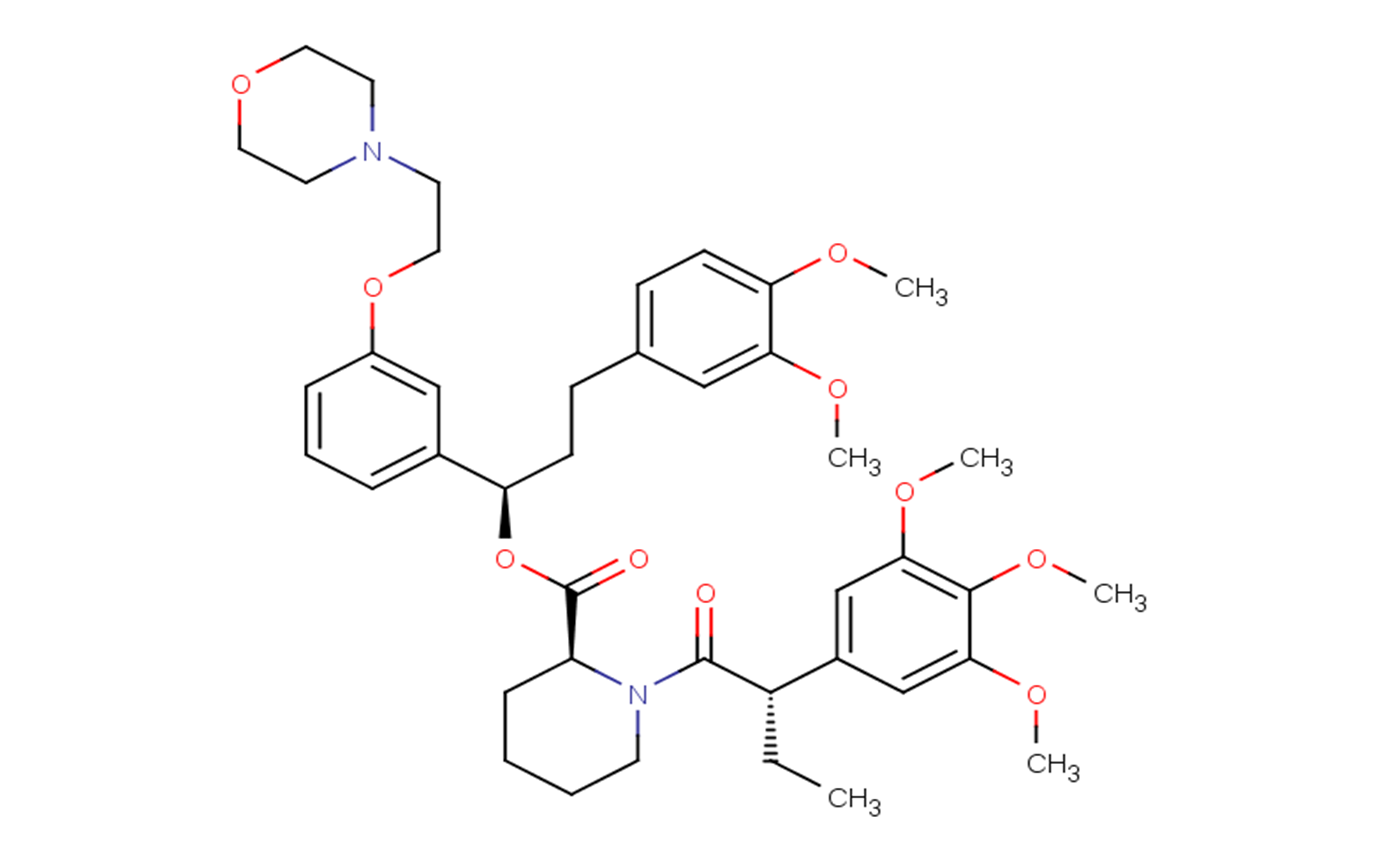
Shield-1
CAS No. 914805-33-7
Shield-1 ( —— )
产品货号. M24959 CAS No. 914805-33-7
Shield-1 是 FK506 结合蛋白 12 (FKBP) 的特异性、高亲和力和细胞渗透性配体,通过与突变的 FKBP (mtFKBP) 结合来逆转不稳定性,从而允许 mtFKBP 融合蛋白的条件表达。 Shield-1可以稳定整个融合蛋白。
纯度: >98% (HPLC)
 COA
Datasheet
HNMR
HPLC
MSDS
Handing Instructions
COA
Datasheet
HNMR
HPLC
MSDS
Handing Instructions
| 规格 | 价格/人民币 | 库存 | 数量 |
| 5MG | ¥2841 | 有现货 |


|
| 10MG | ¥4389 | 有现货 |
|
| 25MG | ¥6817 | 有现货 |
|
| 50MG | ¥9188 | 有现货 |
|
| 100MG | ¥11970 | 有现货 |
|
| 500MG | ¥23940 | 有现货 |
|
| 1G | 获取报价 | 有现货 |
|
| 1 mL x 10 mM in DMSO | ¥3686 | 有现货 |
|
生物学信息
-
产品名称Shield-1
-
注意事项本公司产品仅用于科研实验,不得用于人体或动物的临床与诊断
-
产品简述Shield-1 是 FK506 结合蛋白 12 (FKBP) 的特异性、高亲和力和细胞渗透性配体,通过与突变的 FKBP (mtFKBP) 结合来逆转不稳定性,从而允许 mtFKBP 融合蛋白的条件表达。 Shield-1可以稳定整个融合蛋白。
-
产品描述Shield-1 is a specific, high-affinity and cell-permeant ligand of FK506-binding protein-12 (FKBP), and reverses the instability by binding to mutated FKBP (mtFKBP), allowing conditional expression of mtFKBP-fused proteins. Shield-1 can stabilize the entire fusion protein.
-
体外实验Western Blot Analysis Cell Line:NIH3T3 cellsConcentration:0.1 nM-1 μM Incubation Time:Result:Stabilized the YFP fusion protein of L106P by higher concentrations of Shld1 (EC50~100 nM).Western Blot Analysis Cell Line:HEK293 cells Concentration:1 μM Incubation Time:24 hours Result:Expressed both TRPV5 and YFP well when Shield-1 in the medium, whereas in the abscence of Shield-1 decreased TRPV5 or YFP protein expression.
-
体内实验——
-
同义词——
-
通路Others
-
靶点Other Targets
-
受体FKBP
-
研究领域——
-
适应症——
化学信息
-
CAS Number914805-33-7
-
分子量748.9
-
分子式C42H56N2O10
-
纯度>98% (HPLC)
-
溶解度DMSO:250 mg/mL (333.82 mM)
-
SMILESO=C([C@H]1N(C([C@H](C2=CC(OC)=C(OC)C(OC)=C2)CC)=O)CCCC1)O[C@@H](C3=CC=CC(OCCN4CCOCC4)=C3)CCC5=CC=C(OC)C(OC)=C5
-
化学全称——
运输与储存
-
储存条件(-20℃)
-
运输条件With Ice Pack
-
稳定性≥ 2 years
参考文献
1.Schoeber JP, et al. Conditional fast expression and function of multimeric TRPV5 channels using Shield-1. Am J Physiol Renal Physiol. 2009 Jan;296(1):F204-11.